Rates at a glance
| Work or supply | Rate |
|---|---|
| Extensions to an existing home | 20% |
| Loft conversions and garage conversions | 20% |
| Refurbishment, repair and maintenance of an occupied home | 20% |
| Renovation of a home that has been empty for two years | 5% |
| Work that changes the number of dwellings in the building | 5% |
| Installation of qualifying energy-saving materials, until 31 March 2027 | 0% |
The rate for your project depends on its facts. Each line of a quote is rated on its own.
When a lower rate can still apply
Most of this work is 20%. These are the exceptions worth checking.
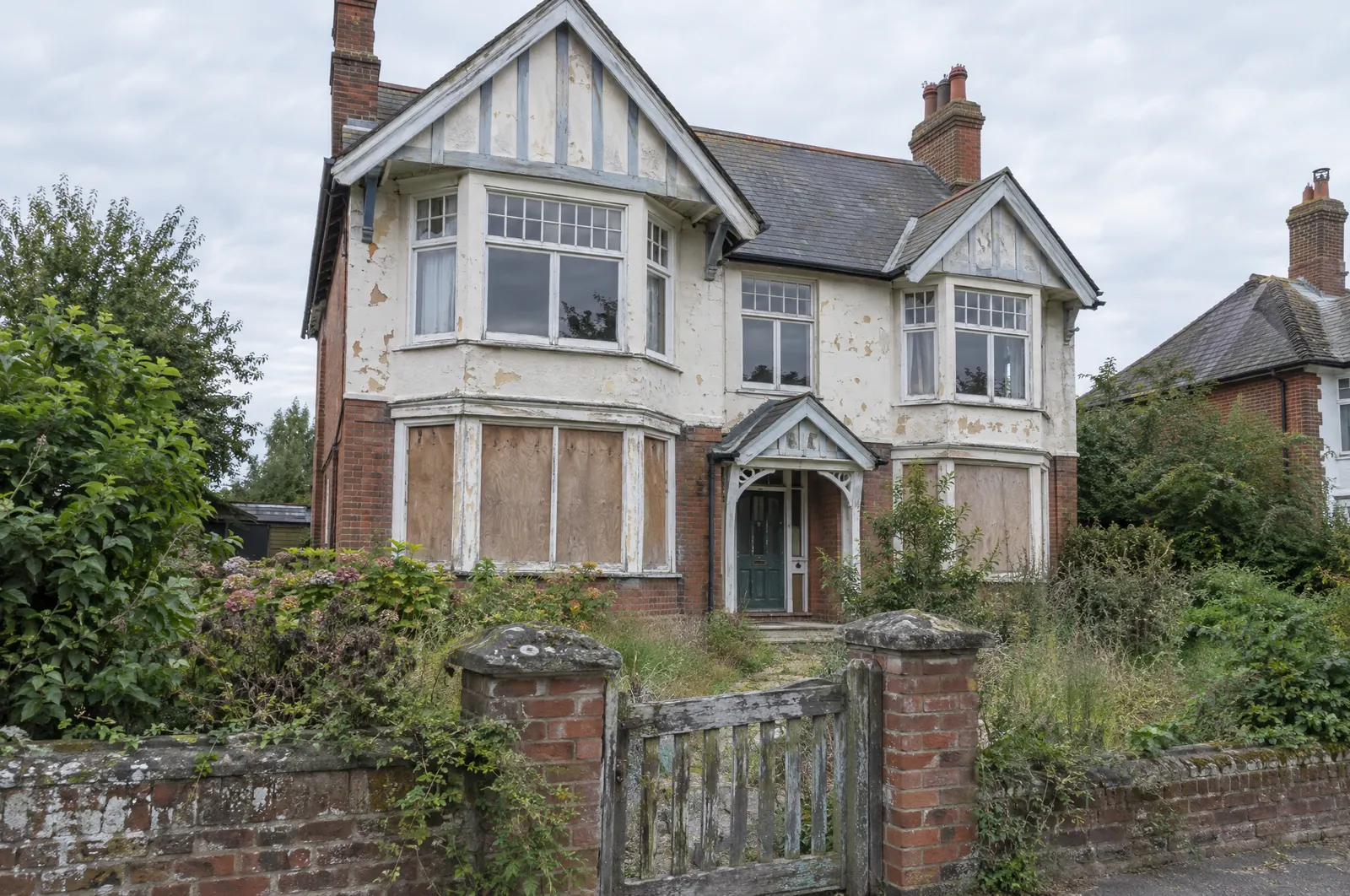
- The home has not been lived in at any time during the two years before the work starts, in which case renovation and alteration can be 5%.
- The work changes the number of dwellings, for example by splitting the house into flats or merging two flats into one, which can be 5%.
- Part of the job is the installation of qualifying energy-saving materials, and that part can be 0% until 31 March 2027.
Plus 3 further points we test. These are the ones that are easy to miss, and any one of them can change the answer. A qualification report works through every one against your documents.
About the qualification reportWhere projects go wrong
- Calling the job a conversion. A loft or garage conversion adds rooms to a home without changing the number of dwellings, so the 5% rate for conversions does not apply.
- Expecting a reclaim. The DIY housebuilders scheme covers new homes and non-residential buildings converted into homes, not the extension or refurbishment of a house.
We check for 4 more pitfalls on every project of this kind. Most only come to light once the work has been invoiced, which is the expensive time to find them.
What it can be worth
A rear extension and loft conversion with a heat pump
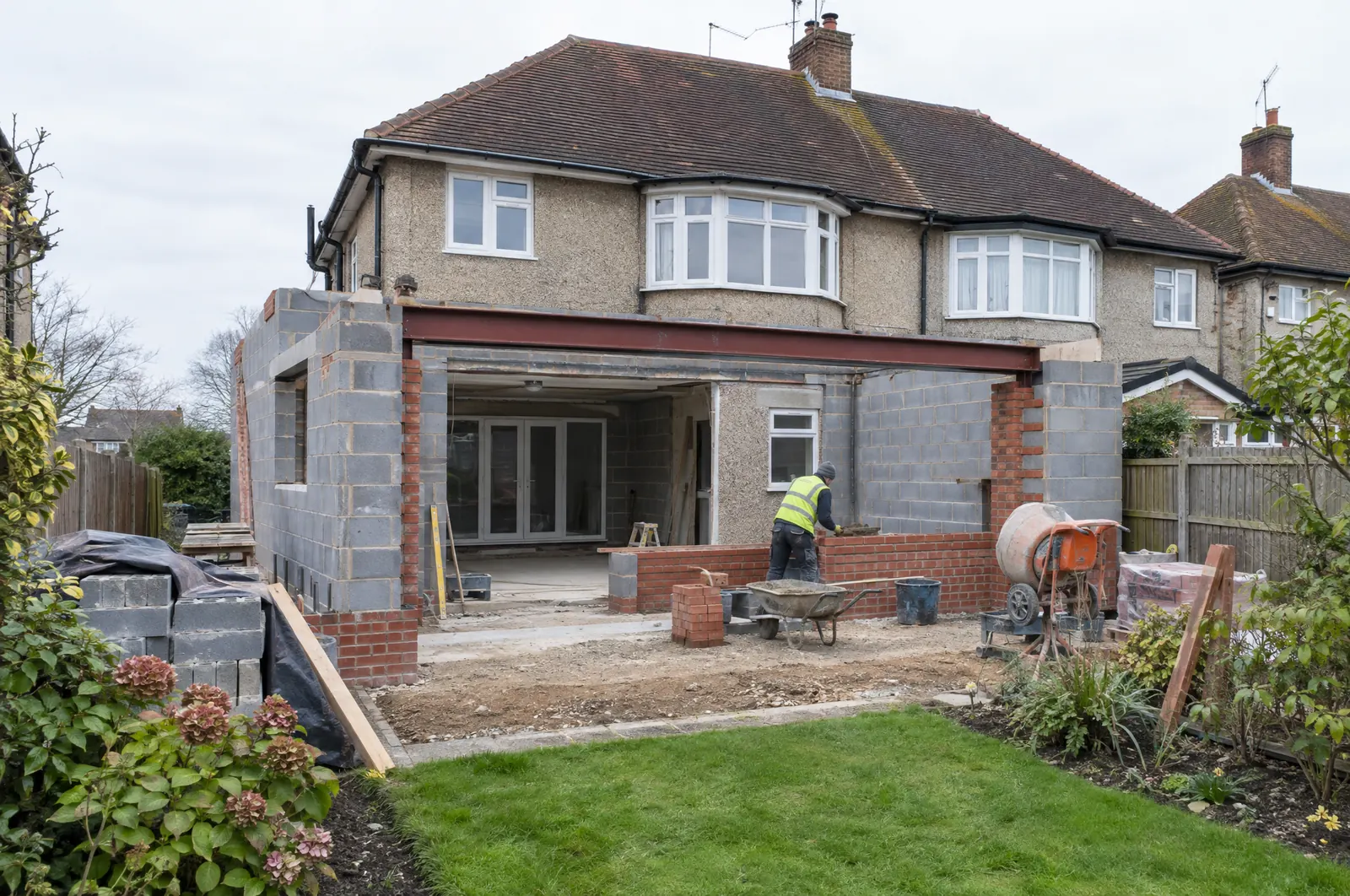
A family living in a 1930s semi receive a quote of £148,000 before VAT for a rear extension, a loft conversion and a new kitchen. An air source heat pump is included as a separate supply and install item.
| Item | Net | Rate | VAT |
|---|---|---|---|
| Single-storey rear extension | £52,000 | 20% | £10,400 |
| Loft conversion with dormer | £41,000 | 20% | £8,200 |
| Kitchen units and worktops | £18,000 | 20% | £3,600 |
| Rewiring, plumbing and plastering | £14,500 | 20% | £2,900 |
| Decoration and flooring | £7,500 | 20% | £1,500 |
| Kitchen appliances | £5,000 | 20% | £1,000 |
| Air source heat pump, supplied and installed | £10,000 | 0% | £0 |
| Total | £148,000 | £27,600 |
- VAT if quoted at 20% throughout
- £29,600
- VAT rated line by line
- £27,600
- Difference
- £2,000
An example to show how the rates fall on a typical extension project in 2026. Almost all of it is correctly 20%. It is not a figure for your project.
How we help with extensions and refurbishment
Most projects of this kind are correctly 20%, and if yours is, we will tell you so. What we establish is whether any part of the job fits one of the genuine exceptions, and how much of the price it covers. You get a clear answer on whether anything qualifies, with the reasoning written down for your builder.
Where something does qualify, a line-by-line analysis gives you the rate for every part of the quote and a letter for your builder setting out what to charge. There is more on our homeowners page. To start, send us your quote.
Questions
Is there VAT on a house extension?
Yes. An extension to an existing home is 20%, on labour and materials. It is treated as an enlargement of the house, not as new construction, so the zero rate for new homes does not apply.
Is there VAT on a loft conversion?
Yes, at 20%. A loft conversion adds space to an existing home, and it is not a conversion in the VAT sense because the number of dwellings in the building stays the same. The same is true of a garage conversion.
Is there 5% VAT on house renovations?
Only in two situations. The first is where the home has not been lived in for two years before the work starts, and the second is where the work changes the number of dwellings. Renovating a home you live in, with the same number of dwellings at the end, is 20%.
Based on the Value Added Tax Act 1994 and HMRC's published guidance. This page explains how the rules work in general. It is not advice on your project, and no rate applies until the facts have been analysed.