
Areas · Sevenoaks
Construction VAT consultant for Sevenoaks
Around Sevenoaks, Green Belt policy steers building work towards replacing, extending and reusing what already stands. A replacement house can be 0%, a barn conversion 5% and a large extension 20%. The difference lies in details such as how much of the old building is kept.
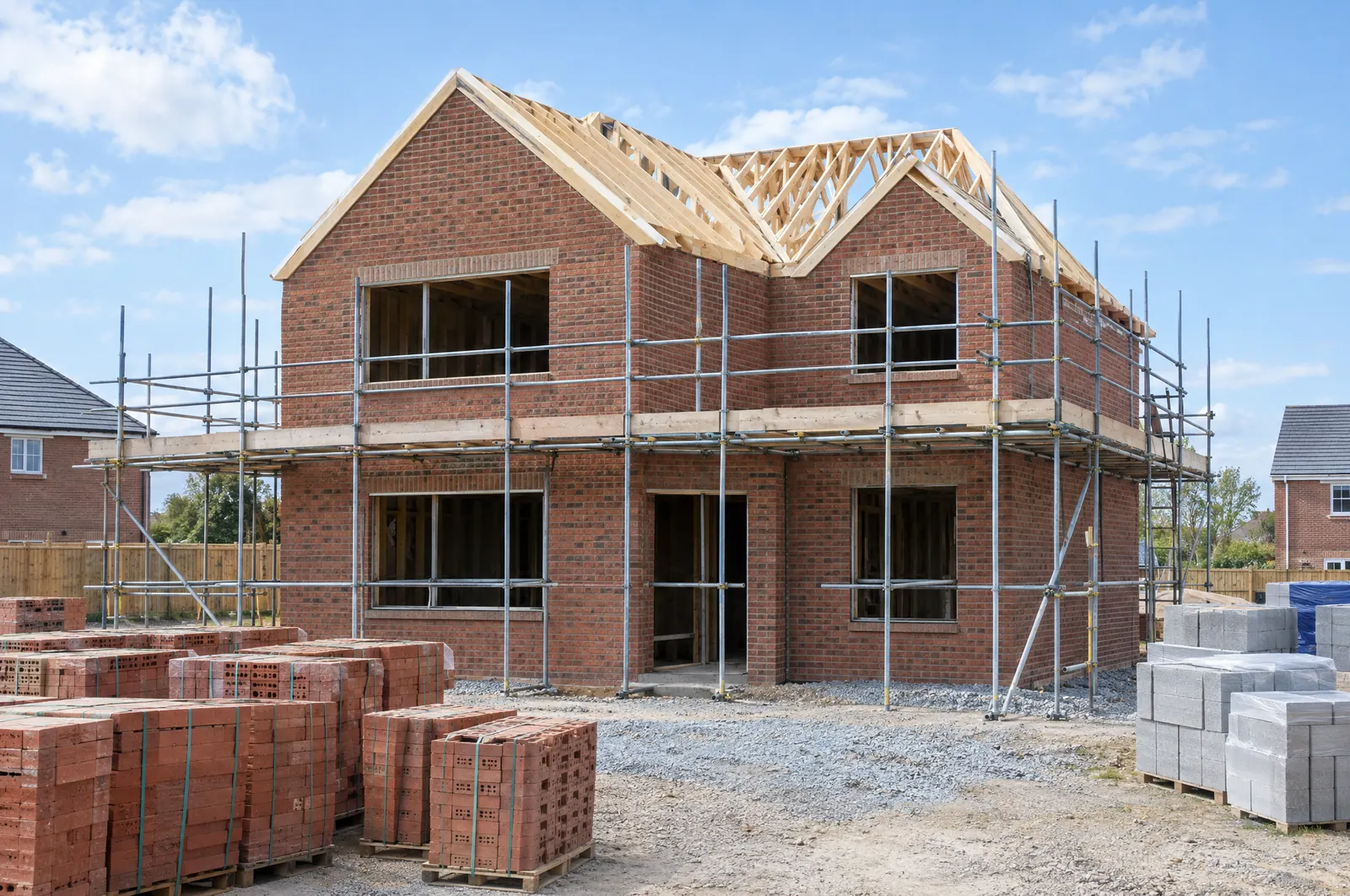
The projects we see in Sevenoaks
-
Replacement dwellings
Knocking a house down and building a new one is a new build at 0% only if the old house is demolished completely to ground level. Keeping walls can turn the job into an alteration at 20%.
-
Substantial extensions
However large, an extension to an existing house is 20%. Doubling the floor area does not make it a new build if the original house is still standing.
-
Annexes
An annexe is 20% unless it is a separate dwelling that can lawfully be used and sold on its own. A planning condition tying it to the main house rules that out.
-
Barn and stable conversions
Agricultural and equestrian buildings in the surrounding countryside converted into homes are normally 5% on the builder's services. The use of the building before the work has to be shown.
-
Garages built with a new house
A garage built at the same time as a new dwelling, for use with it, is included in the zero rate. A garage added later to a finished house is 20%.
Replacement dwellings and the ground level rule
Much of the countryside around Sevenoaks is Green Belt, where planning policy restricts new building. In practice that means a lot of local projects are replacement dwellings. An older house is bought for its plot, taken down and replaced with something larger.
That can be a new build at 0%, covering the contractor's work and the building materials they fit. The condition is demolition. The existing building must be demolished completely to ground level before the new one goes up. A single facade may be kept, or two on a corner site, but only where the planning consent requires it. Keeping a gable wall or a wing because it is convenient is not within that exception, and the zero rate is then at risk for the whole job.
This is a decision made on the drawings, long before anyone thinks about VAT. It is worth checking while the design can still change. Dated photographs of the cleared site are part of the evidence.
Extensions and annexes
The other common local project is the large extension. However much floor area is added, building onto a house that is still standing is 20%. Our page on extensions and refurbishment covers what stays at the standard rate.
Annexes follow the same rule. An annexe is normally an enlargement of the main house and is 20%. It is only zero rated where it is a self-contained dwelling and nothing in the planning consent prevents it being used or sold separately. Consents for annexes often restrict them to ancillary use, which defeats the relief.
Barns, stables and outbuildings
Barns and stable blocks around the town are regularly converted into homes. A non-residential building turned into a dwelling is a conversion, normally 5% on the builder's services and the materials they supply. What the building was used for before the work is a fact to establish with evidence.
We work with clients in Sevenoaks and nationally by email and phone. Send us the builder's quote and we will tell you whether there is anything to pursue. Fees are fixed and agreed first.
Questions
Straight answers.
We are demolishing and rebuilding. How much of the old house can we keep?
For the zero rate, none of it above ground. The existing building must be demolished completely to ground level. The one exception is a single facade, or two on a corner site, where keeping it is a requirement of the planning consent.
Is a large extension treated as a new build?
No. An extension is an enlargement of an existing building and is 20%, whatever its size. Some elements may qualify separately, such as the installation of energy-saving materials.
Can we reclaim VAT on a barn we are converting to live in?
Possibly. An individual converting a non-residential building into their own home can claim under the DIY housebuilders scheme after completion. The claim is yours to submit. We work out the correct rate on the builder's quote and show which items qualify.
Do you have an office in Sevenoaks?
We work with clients in Sevenoaks by email and phone, as we do across Kent, London and nationally. The analysis is done from your quote, drawings and planning consent.
Next step
Send us the quote. We’ll tell you whether there’s anything to save.
Upload your builder’s quote or tender. We look at the project and the pricing and tell you whether a lower rate is worth pursuing, before you commit to anything.
- Fixed fee, agreed up front
- Every rate tied to the legislation
- We'll tell you if it's 20%