Rates at a glance
| Work or supply | Rate |
|---|---|
| Conversion work that changes the number of dwellings | 5% |
| Conversion into a house in multiple occupation, or into a care home or similar with a certificate | 5% |
| Building materials supplied and fitted by the contractor | 5% |
| Conversion of a non-residential building for a relevant housing association | 0% |
| Carpets, appliances and fitted furniture other than kitchens | 20% |
| Architects', surveyors' and consultants' fees | 20% |
The rate for your project depends on its facts. Each line of a quote is rated on its own.
Does yours qualify?
The headline tests. All of them have to hold.
- The work is one of three kinds of conversion, which are a change in the number of dwellings, a conversion into a house in multiple occupation, or a conversion into a care home or similar residential institution.
- Where the number of dwellings is changing, the building contains a different number after the work than before, and at least one.
- Each new dwelling is self-contained and can be used on its own.
Plus 3 further points we test. These are the ones that are easy to miss, and any one of them can change the answer. A qualification report works through every one against your documents.
About the qualification reportWhere projects go wrong
- Work that improves a building without changing what it is. Refurbishing a house that stays one house is 20%, unless it has been empty for two years.
- Treating excluded items as building materials. Carpets, white goods and fitted bedroom furniture are 20% in a 5% conversion.
We check for 4 more pitfalls on every project of this kind. Most only come to light once the work has been invoiced, which is the expensive time to find them.
What it can be worth
An office converted into six flats
A contractor prices the conversion of a two-storey office into six flats at £540,000 before VAT. The first draft of the quote shows 20% across the board.
| Item | Net | Rate | VAT |
|---|---|---|---|
| Strip-out and structural alterations | £96,000 | 5% | £4,800 |
| Partitions, floors and soundproofing | £118,000 | 5% | £5,900 |
| Windows, external doors and roof coverings | £74,000 | 5% | £3,700 |
| Plumbing, heating and electrics | £122,000 | 5% | £6,100 |
| Fitted kitchen units and worktops | £54,000 | 5% | £2,700 |
| Bathrooms and sanitaryware | £38,000 | 5% | £1,900 |
| Kitchen appliances | £21,000 | 20% | £4,200 |
| Carpets | £11,000 | 20% | £2,200 |
| Fitted wardrobes | £6,000 | 20% | £1,200 |
| Total | £540,000 | £32,700 |
- VAT if quoted at 20% throughout
- £108,000
- VAT rated line by line
- £32,700
- Difference
- £75,300
An example to show how the rates fall across a typical conversion. It is not a figure for your project.
Types of conversion
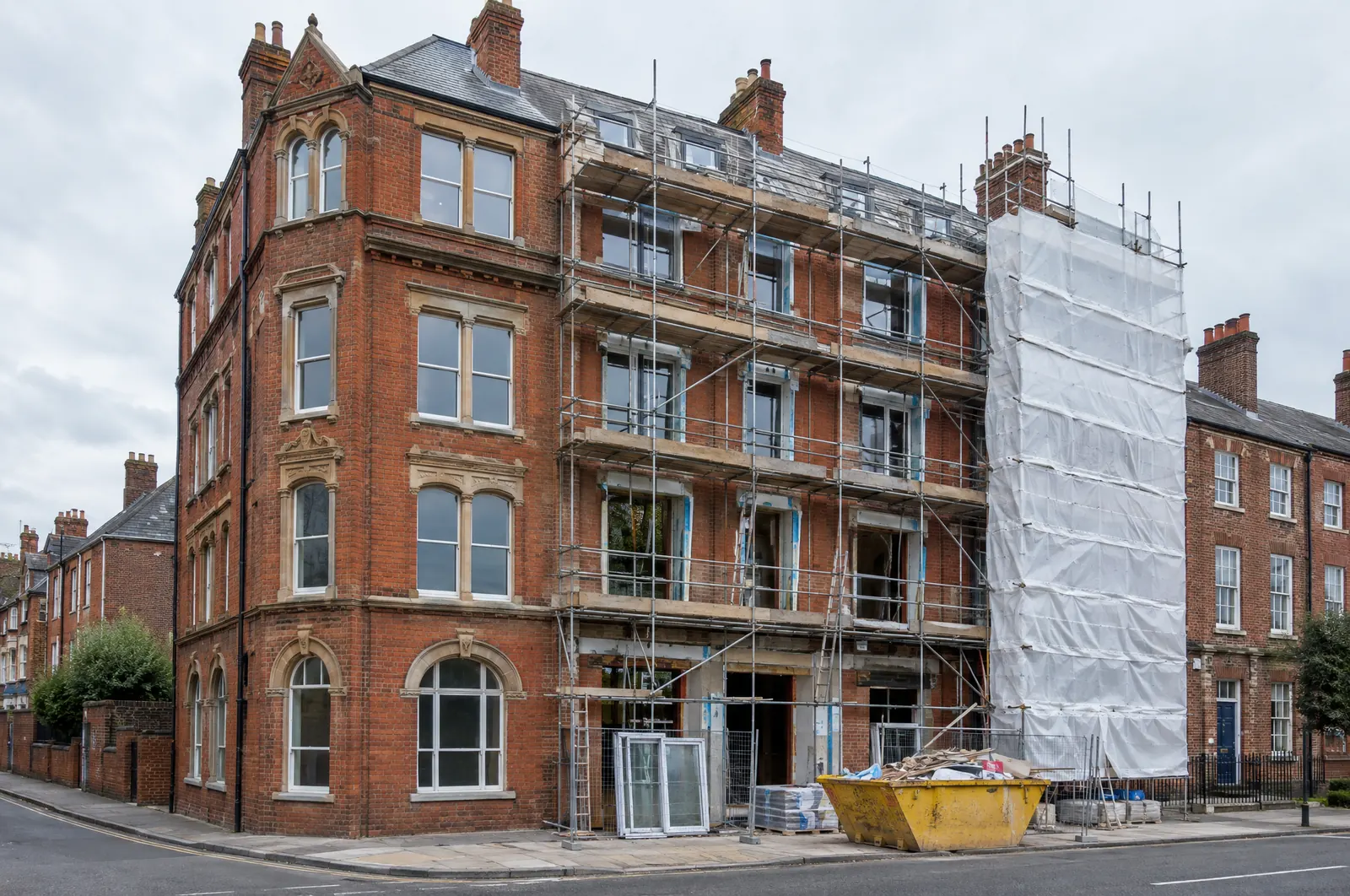
Commercial to residential
Turning an office, shop or pub into homes is 5% on the contractor's work and materials.
Learn more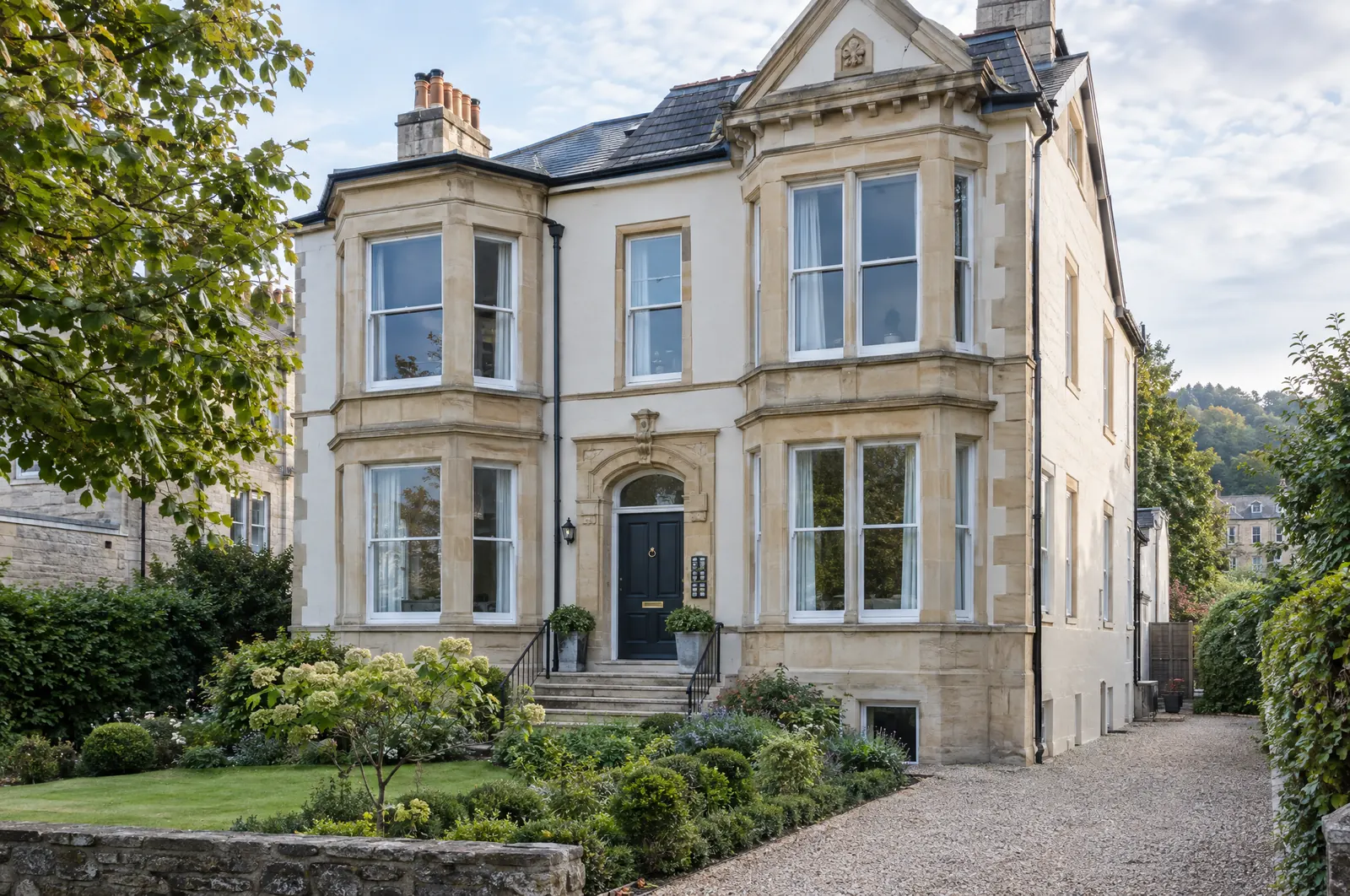
House into flats
Splitting a house into flats, or merging flats into a house, is 5% where the number of dwellings changes.
Learn more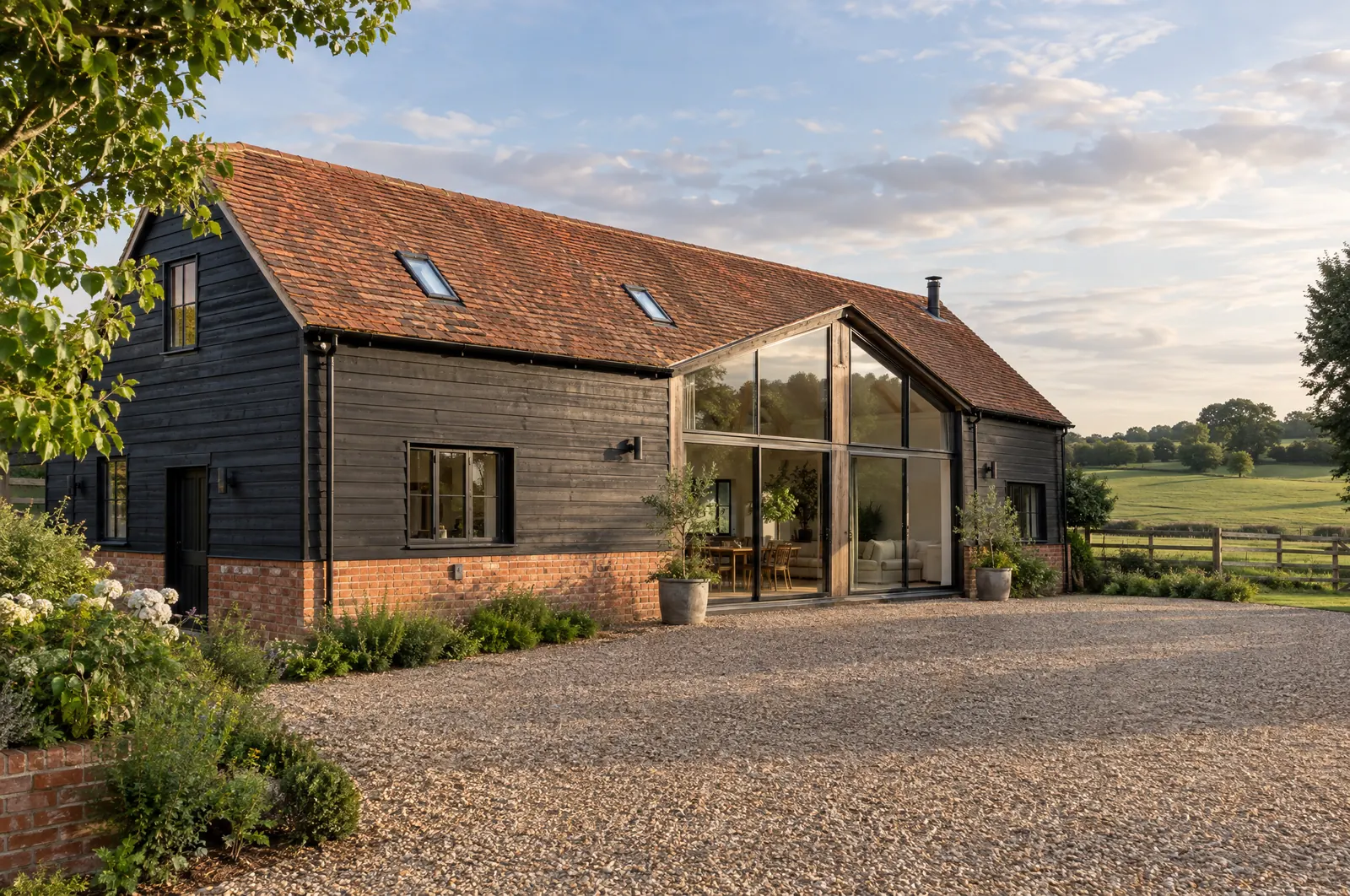
Barn conversions
A contractor converting a barn into a home charges 5% on labour and building materials.
Learn more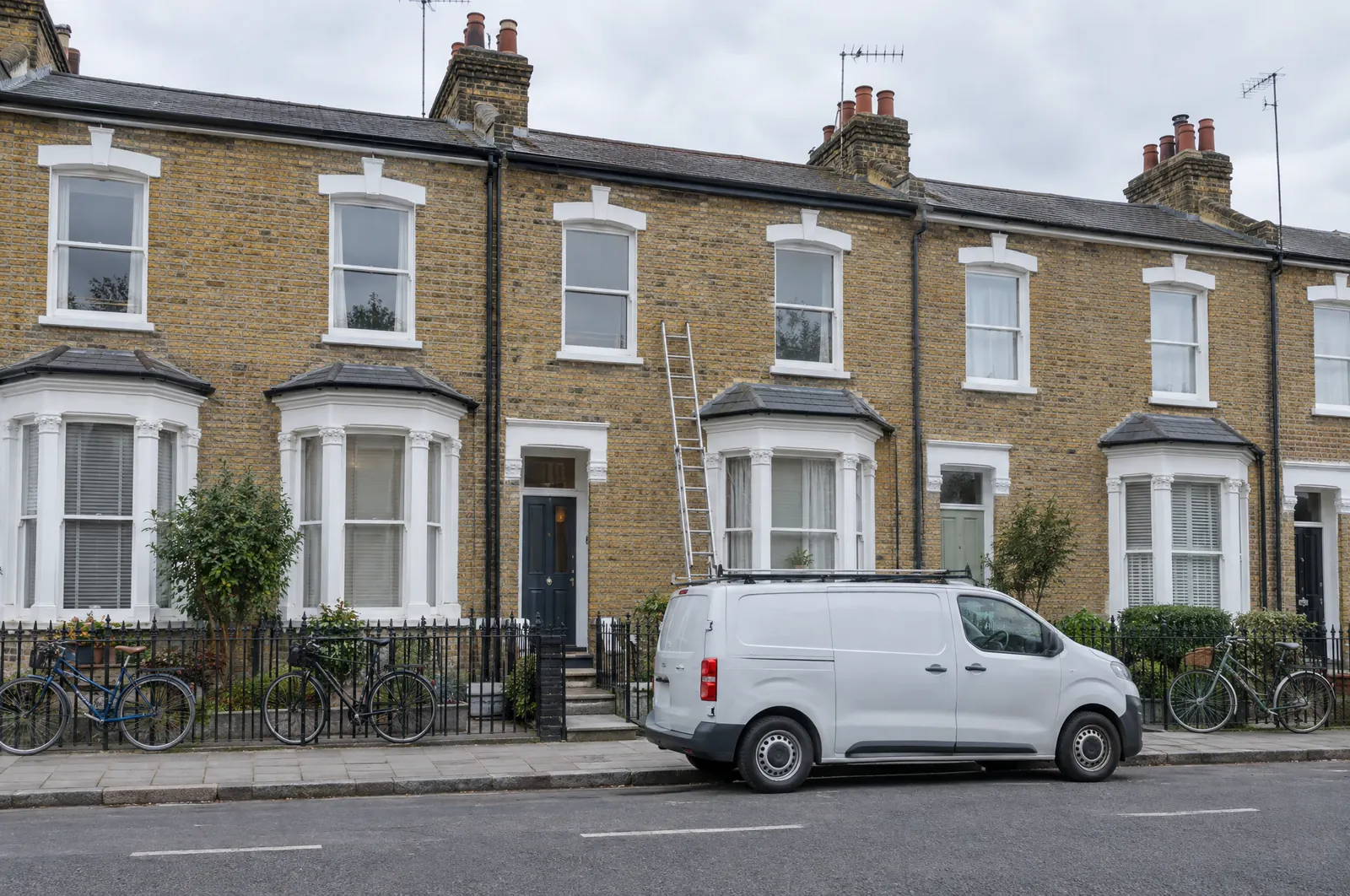
HMO conversions
Converting a house or other building into an HMO can be 5% on labour and building materials.
Learn moreHow we help with property conversions
We establish which kind of conversion your project is for VAT, and whether it meets the tests for the reduced rate. You get a clear answer on whether it qualifies and by which route, with the reasoning written down so your builder and your accountant can follow it. If the work is correctly 20%, we tell you.
A line-by-line analysis then gives you the right rate for every part of the quote, with a letter your builder can work from. Conversions are worth having checked because the route is easy to misidentify, and because quotes so often carry one rate from top to bottom. The pages on commercial to residential and house into flats cover the common cases. To start, send us your quote.
Questions
Is a conversion 5% or 0% VAT?
Usually 5%. A contractor charges the reduced rate on a qualifying conversion for most customers, and the building work is 0% only where a non-residential building is converted for a relevant housing association. A developer who sells the finished homes, or a person converting a building into their own home, can end up bearing no VAT, but they get there by a different route.
Does a property have to be empty for two years to get 5% VAT on a conversion?
No. The two-year rule belongs to a separate relief for renovating empty homes. A conversion qualifies because of what the work does, for example changing the number of dwellings, and the building can be in use until the day the work starts.
Can I reclaim the 5% VAT on a conversion?
A developer who converts a non-residential building into dwellings and sells them, or grants a lease of more than 21 years, makes a zero-rated supply, which is what lets them recover the 5% they were charged. An individual converting a non-residential building into their own home can claim under the DIY housebuilders scheme. Returns and claims are yours to submit, and we do not file them.
Based on the Value Added Tax Act 1994 and HMRC's published guidance. This page explains how the rules work in general. It is not advice on your project, and no rate applies until the facts have been analysed.