
Areas · Kent
Construction VAT consultant for Kent
Kent's building stock produces more VAT questions than most. Oast houses and barns becoming homes, listed farmhouses, seaside hotels turned into flats and long-empty houses brought back into use all sit outside the standard 20%. We work out the rate for each project, line by line.
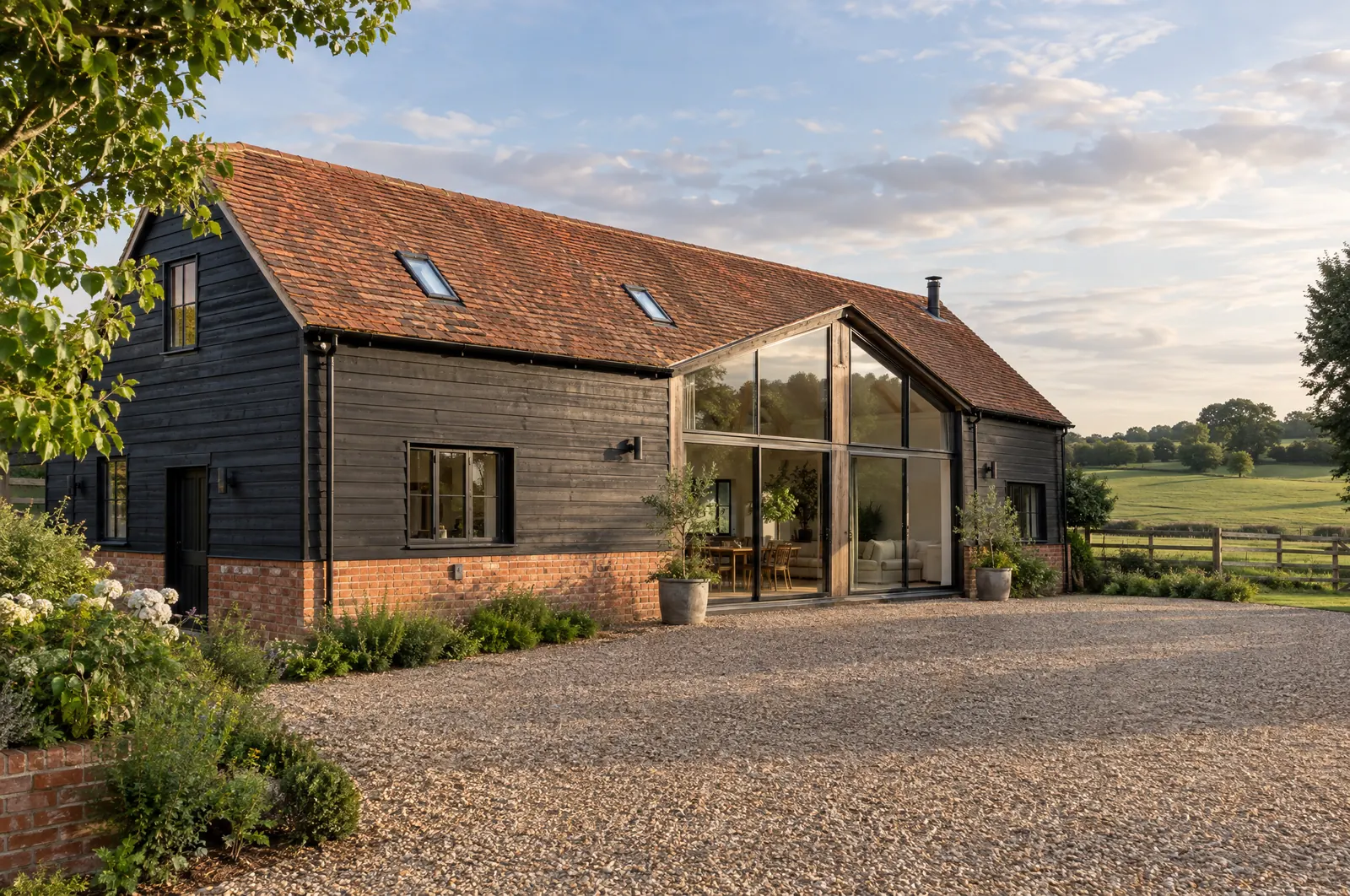
The projects we see in Kent
-
Oast houses and barn conversions
An oast or barn that has never been a home is a non-residential building. Converting it into a dwelling is normally 5% on the builder's services. An oast converted years ago is already a house, and work on it is normally 20%.
-
Listed buildings
Kent has a great many listed houses, farm buildings and town-centre properties. Listing gives no relief by itself. Alterations and repairs are 20% unless the project qualifies another way, such as a conversion or an empty home.
-
Farm diversification
Redundant farm buildings turned into homes are conversions and can take the 5% rate. Farm buildings turned into workshops, offices or a shop stay commercial, and that work is 20%.
-
Seaside hotels and guest houses into flats
A hotel or guest house divided into self-contained flats changes the number of dwellings in the building. The count before the work has to be established first, because many guest houses include owner's accommodation.
-
Town-centre offices and shops into homes
Offices and shops converted into flats are normally 5% on the contractor's services. Where a shop stays on the ground floor, the work has to be apportioned between the two uses.
What Kent's buildings mean for VAT
Much of the building work in Kent is the reuse of something old. Oasts, barns and granaries become houses. Hotels and guest houses along the coast become flats. Upper floors and offices in the market towns become homes. Each of those is a conversion, and conversions are where the 5% rate is most often missed.
The rule is about the number of dwellings. If a building contains a different number of homes after the work than before, and at least one, the contractor's services can be 5%. A barn that goes from no dwellings to one qualifies on that basis. So can a hotel that becomes eight flats. The use of the building before the work is a fact to establish with evidence, not an assumption. You can read more on barn conversions and commercial to residential schemes.
Kent's stock of listed buildings produces the opposite mistake. Owners expect a relief that ended in 2012. Alterations to a listed building are 20%, and repairs always were. A listed building only gets a lower rate where the project qualifies under another route.
Empty homes and the 5% rate
Kent County Council runs an empty-homes initiative called No Use Empty, aimed at bringing long-term empty properties back into use. Those are the homes where the 5% rate for renovating empty property applies. The test is strict. The dwelling must not have been lived in during the two years ending when the work starts. You count back from the start of work, not from the purchase. Council tax records, utility records and a letter from the council's empty property officer are the usual evidence.
How we work with clients in Kent
We work with developers, builders, farmers and homeowners across Kent, and nationally, by email and phone. You send us the builder's quote with the drawings and the planning consent. We tell you whether there is anything to pursue. If there is, you get the right rate for every part of the quote, with the reasoning in writing and a letter for your builder.
The fee is fixed and agreed first. Where the job is correctly 20%, we say so.
Questions
Straight answers.
Do you have an office in Kent?
We work with clients across Kent by email and phone, in the same way as we do nationally. The analysis is done from your documents, which are the quote, the drawings, the planning consent and the evidence of the building's history.
Is a barn conversion 0% or 5%?
The builder's services on a conversion of a barn into a home are normally 5%, not 0%. If you are converting it to live in yourself, you may be able to reclaim VAT from HMRC through the DIY housebuilders scheme after completion. A developer who sells the finished home makes a zero-rated sale. The facts of your project decide which applies.
Does the 5% rate apply to any empty property in Kent?
Only to a dwelling that has not been lived in during the two years ending when the work starts. Any occupation in that period breaks the condition. The reduced rate covers qualifying renovation and alteration work and the materials supplied with it, not excluded items such as carpets and appliances.
My oast house is listed. Does that reduce the VAT?
Not by itself. The zero rate for approved alterations to listed buildings was withdrawn on 1 October 2012. A listed oast that is being converted from agricultural use into a home can still qualify for 5% as a conversion.
Next step
Send us the quote. We’ll tell you whether there’s anything to save.
Upload your builder’s quote or tender. We look at the project and the pricing and tell you whether a lower rate is worth pursuing, before you commit to anything.
- Fixed fee, agreed up front
- Every rate tied to the legislation
- We'll tell you if it's 20%